Looking for a Hamptons-area place that feels livable year-round, not just busy in July? Hampton Bays stands out because it blends ocean beaches, bay access, marinas, downtown essentials, and quieter residential pockets in one community. If you are thinking about a move, a second home, or simply trying to understand the area better, this guide will help you see what everyday life in Hampton Bays can actually look like. Let’s dive in.
Hampton Bays has a practical side
Hampton Bays is a hamlet in the Town of Southampton, and official town materials describe it as one of the more populous hamlets in the town. It sits between Peconic Bay to the north and Shinnecock Bay and Tiana Bay to the south, which helps explain why water is part of daily life here in more than one way.
That setting gives Hampton Bays a beach-town image, but the community also functions as an everyday residential base. Town planning materials point to public spaces, pedestrian amenities, local small businesses, and civic uses in the hamlet center, which creates a more grounded feel than a purely seasonal destination.
For buyers, that mix can matter. Town data shows 14,280 residents, a median age of 43.1, and 19.1% of residents age 65 or older, along with a housing mix that includes both full-time and seasonal use. In other words, Hampton Bays can appeal to people looking for a primary home as well as those considering a second-home lifestyle.
Daily routines center on convenience
In practical terms, daily life in Hampton Bays still tends to revolve around driving. The town profile identifies Sunrise Highway and Montauk Highway as the main east-west connectors, and it notes that the commercial corridor along Montauk Highway includes grocery stores, restaurants and eateries, and convenience stores.
That means many errands are concentrated in a familiar, usable stretch rather than scattered far apart. If you value having basics nearby, Hampton Bays offers that kind of convenience while still keeping beach and bay access close to home.
The town also notes that the local street grid is disjointed enough to create an auto-dependent environment. That may be useful to know if you are comparing Hampton Bays with a more walkable village setting elsewhere on Long Island.
Beaches shape the lifestyle
One of the clearest draws in Hampton Bays is the range of public waterfront spaces. You are not limited to one kind of beach experience, which gives the hamlet a broader lifestyle appeal.
Ponquogue Beach brings ocean energy
Ponquogue Beach at 276 Dune Road is one of the town’s flagship ocean beaches. The Town of Southampton describes it as one of its most popular family beach locations, with more than 600 feet of ocean shoreline and a 2019 renovation.
Amenities include lifeguards, restrooms, an outdoor shower, a food concession, picnic tables, volleyball courts, accessible access, and 478 ocean-side parking spaces plus 84 overflow spaces on the bay side. The town also notes that it often fills to capacity on summer weekends, which gives you a realistic sense of peak-season demand.
Tiana Beach offers another large ocean option
Tiana Beach and Pavilion, also on Dune Road, adds another major public beach option in Hampton Bays. According to town materials, it has more than 1,000 feet of shorefront, lifeguard protection, showers, restrooms, a food concession, picnic benches, volleyball courts, and 847 parking spaces.
The site also includes a seasonal activity center with direct Atlantic access. For residents and second-home owners alike, that kind of public beach infrastructure can be a meaningful part of how you use the area across the warmer months.
Meschutt Beach feels different from the ocean
If you prefer calmer water, Meschutt Beach County Park offers a different experience on Great Peconic Bay. Suffolk County describes it as a stillwater, supervised bathing beach east of the Shinnecock Canal.
It also includes a windsurfing and sailing area, kayak rentals, a food concession, playgrounds, restrooms, and scuba diving access. That makes it a useful option if you enjoy waterfront time that feels more low-key than the open ocean.
Beach access changes by season
If you are evaluating Hampton Bays as a place to live, it helps to understand how beach access works through the year. For Town of Southampton beach recreation facilities, parking permits are required from May 15 through September 15.
The current town permit sheet shows daily, seasonal, resident, and non-resident options. That seasonal structure helps explain why beachgoing can feel very different in the shoulder season than it does on a packed summer weekend.
For some buyers, that is actually part of the appeal. You get the energy of summer when you want it, but the waterfront can feel much calmer outside the busiest stretch of the season.
Marinas and marine access matter here
Hampton Bays is not only about sitting on the sand. The public facilities in and around the hamlet show that boating, fishing, and canal access are also part of everyday life.
Old Ponquogue Bridge Marine Park adds year-round use
Old Ponquogue Bridge Marine Park is one of the strongest examples of Hampton Bays’ working waterfront character. The town says the park is open 24 hours a day, year-round, with permits needed only during the busy season.
It includes a boat launch for boats up to 19 feet, fishing access to deep water from the Shinnecock Inlet, picnic areas, bird watching, scuba diving, and ADA access. For anyone who wants public marine access, that is a major practical advantage.
Shinnecock Canal supports boating traffic
Suffolk County’s Shinnecock Canal Marina serves visiting yachts moving through the canal or cruising Peconic and Shinnecock Bay. County materials say it offers transient slips, a sewage pump-out station, restrooms, showers, and water and electric hookups.
Visitors can also use the adjacent Meschutt Beach County Park. Taken together, these public facilities help show why Hampton Bays feels functional for boaters and anglers, not just scenic from a distance.
Quiet corners still exist
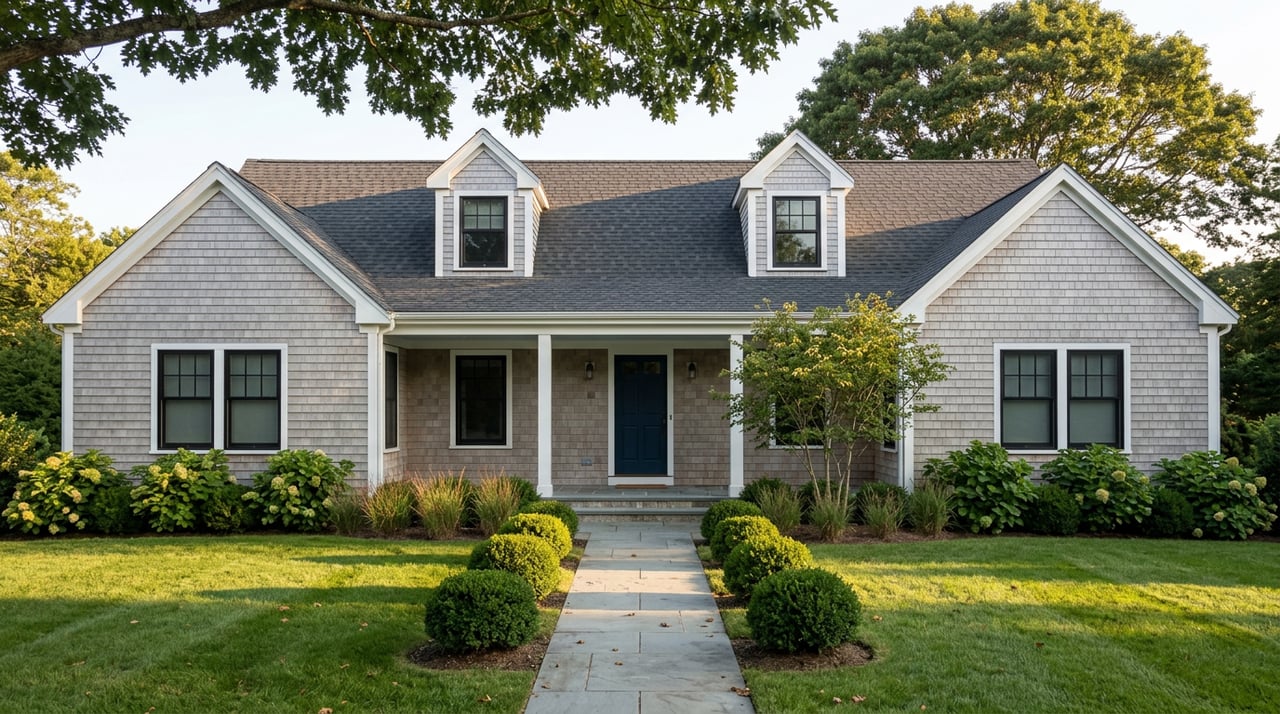
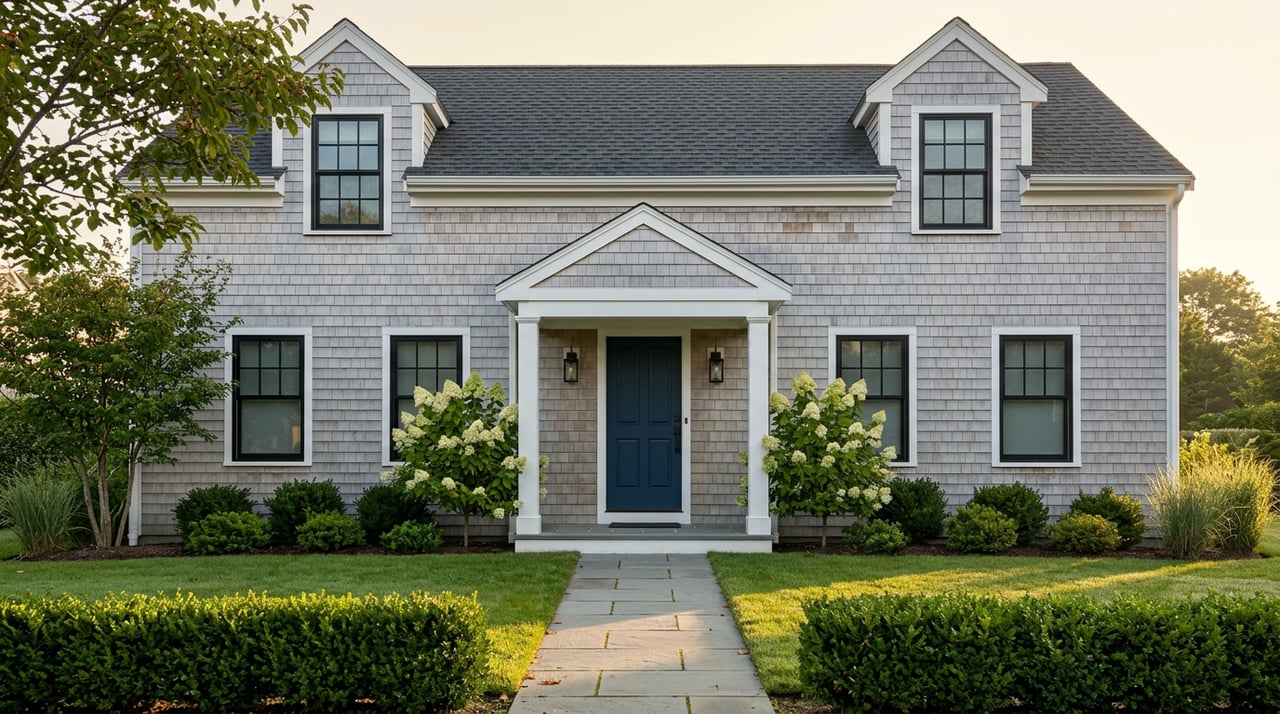
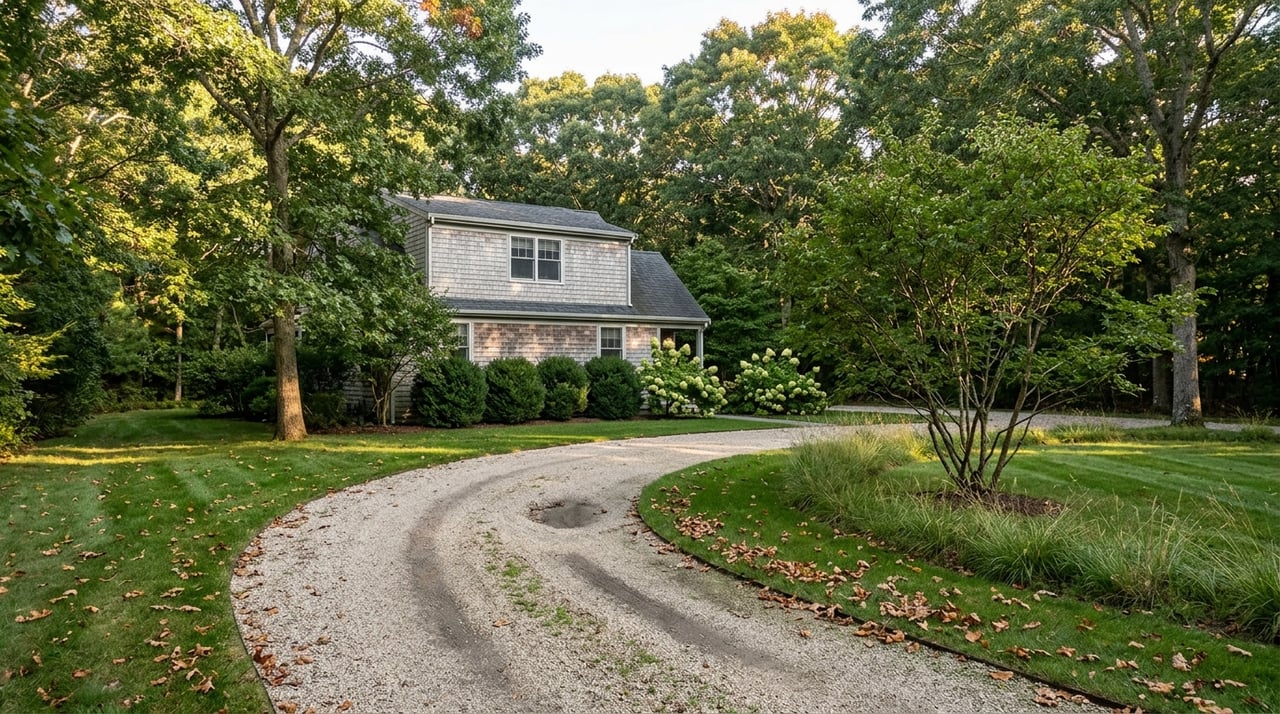
Not every part of Hampton Bays feels busy or beach-centric. Town materials describe homes set back from the street with ample yards and narrow roads, and they note that less dense areas north of Montauk Highway include wooded sections that can obscure houses from view.
That quieter pattern can appeal if you want more privacy or simply a calmer residential setting. It also creates a contrast that many buyers appreciate: active waterfront areas and practical commercial zones on one hand, and more tucked-away home settings on the other.
The town profile also notes that portions of the hamlet sit on a barrier island south of Shinnecock Bay. For you as a buyer, that reinforces how varied the local setting can be within one hamlet.
Downtown keeps Hampton Bays grounded
A big reason Hampton Bays works beyond summer is its downtown and civic framework. The Hampton Bays Hamlet Center planning page emphasizes unique shopping, local small businesses, public spaces, improved access and parking, pedestrian amenities, streetscape, historic qualities, and civic uses.
That focus gives the hamlet center a clear role in everyday life. Instead of relying only on seasonal attractions, Hampton Bays has a downtown identity that supports regular routines and local activity.
Good Ground Park adds year-round community space
Good Ground Park is a strong example of that everyday value. The town says the park sits adjacent to Hampton Bays Main Street and includes an amphitheater, nature trails, a playground, picnic tables, restrooms, and a nearly one-mile walking circuit.
It is open dawn to dusk, year-round. For many buyers, spaces like this help a neighborhood feel usable in every season, not just during beach weather.
Commuting and regional access are part of the picture
Hampton Bays also offers transportation features that make it more than a weekend destination. The town profile places the Hampton Bays LIRR station in the heart of downtown, which helps tie the hamlet center to regional travel.
MTA details note that the station is accessible and includes a ramp, tactile warning strips, audiovisual passenger information systems, ticket machines, and a Suffolk County Transit connection. It does not have a waiting room or ticket office, but it remains an important asset for people who value rail access.
For eastbound commuters, the South Fork Commuter Connection is especially relevant. MTA says riders can park in Hampton Bays in the morning and use coordinated weekday train and shuttle bus service east across the Shinnecock Canal to Southampton, Bridgehampton, Amagansett, or Montauk, with shuttles connecting to nearby villages and employment centers.
What this means for buyers and sellers
If you are buying in Hampton Bays, the biggest takeaway is balance. The hamlet offers public beaches, bay access, marine facilities, downtown services, rail access, and quieter residential areas, all within one community.
That can make your home search more nuanced in a good way. You may find yourself choosing between closeness to Dune Road, convenience near the Montauk Highway corridor, or a more tucked-away area with larger yards and more tree cover.
If you are selling, lifestyle storytelling matters here. Hampton Bays is not just one thing, and buyers often respond to the way a home connects to everyday routines, public waterfront access, commuting options, or the quieter side of the neighborhood.
In a market like this, thoughtful presentation and clear local context can help people understand not just the home itself, but the life that comes with it. That is especially true in a place where primary-home buyers and seasonal buyers may be looking through very different lenses.
If you are considering a move in Hampton Bays or nearby South Shore Long Island communities, working with someone who values clarity, care, and local context can make the process feel much more manageable. You can reach out to Marina Putova for thoughtful support with buying, selling, rentals, and home valuation.
FAQs
What is everyday life like in Hampton Bays?
- Hampton Bays combines beach-town scenery with year-round residential living, with daily errands often centered around the Montauk Highway corridor and community amenities in the hamlet center.
What beaches are in Hampton Bays?
- Hampton Bays includes Ponquogue Beach and Tiana Beach on Dune Road, plus nearby Meschutt Beach County Park on Great Peconic Bay for a calmer bay beach experience.
What should buyers know about Hampton Bays beach permits?
- Town beach recreation facilities require parking permits from May 15 through September 15, with daily, seasonal, resident, and non-resident options listed by the Town of Southampton.
What marina and boating access does Hampton Bays offer?
- Hampton Bays has public marine access through Old Ponquogue Bridge Marine Park and the nearby Shinnecock Canal Marina, with facilities that support boating, fishing, and bay-to-ocean movement.
What makes Hampton Bays different from a purely seasonal beach area?
- Official town and transit materials show that Hampton Bays combines beaches, marinas, downtown services, a public park, and LIRR access, which gives it a more everyday-useful feel than a location built only around summer activity.
What commuting options are available in Hampton Bays?
- Hampton Bays has an accessible LIRR station in downtown, a Suffolk County Transit connection, and access to the South Fork Commuter Connection for weekday travel farther east.